On November 23, 2026, ASTP/ONC published One if by FHIR, two if by TEFCA?, a post by Steven Posnack on how HL7 FHIR APIs and TEFCA relate. It is not a rule and sets no dates. It is the clearest statement yet of how the agency that oversees TEFCA thinks the network should move toward FHIR, and it singles out patient access as the use case already headed there.
What ONC said
ONC's starting point is that TEFCA was built on what the market already ran. In its words, using existing investments was "a foundation, not a vision for the future."
We welcome broader FHIR-based API exchange that's enabled by TEFCA. Notably, if TEFCA participants wanted to, they could use FHIR APIs now for nearly all the authorized exchange purposes.
ONC also names the limit on the other side. FHIR-based APIs need "a consistent set of governing practices, performance expectations, and agreed upon technical and security requirements to scale nationwide," and that is the role it sees for TEFCA.
The three factors ONC says set the pace
ONC lists three connected market factors that decide how fast exchange moves to FHIR, inside and outside TEFCA. Pick one to see what ONC said and what to watch.
Interactive
What sets the pace of FHIR in TEFCA
Pick a factor to see what ONC said and what to watch.
Transition costs
“There are real business and cost dynamics for an organization to transition its existing interoperability infrastructure to FHIR-based APIs.”
More FHIR exchange in TEFCA shifts "network work" to the "edges," the responding data sources with FHIR APIs. ONC says the switching costs for QHINs to move off today's IHE approach for QHIN-to-QHIN exchange need to yield benefits better than the status quo, and that pushing exchange to tens of thousands of individual FHIR endpoints would need careful planning at the nationwide, state and local levels.
What to watch: Who bears the cost, and how concentrated or spread out it is.
Source: ASTP/ONC, One if by FHIR, two if by TEFCA?, November 23, 2026.
What it means for developers building on patient data
Patient access is the FHIR-first lane
ONC separates business-to-consumer exchange, led by IAS, from business-to-business exchange. It sees the consumer side as built on FHIR from the start and heading further that way on scale, identity and security. If you build apps that patients use to get their own records, you are working in the part of TEFCA that ONC already describes as built on FHIR.
Plan for documents and FHIR at the same time
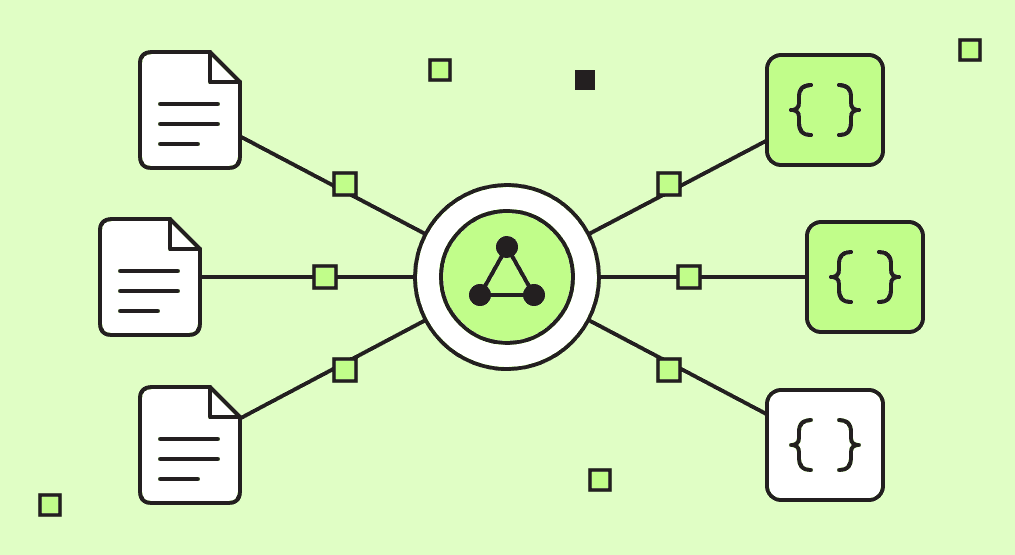
ONC also says most enterprise exchange today runs on other standards, and that QHIN-to-QHIN exchange uses an IHE approach. In practice, many TEFCA responses still arrive as C-CDA documents, which is why converting C-CDA to FHIR matters for apps that want structured data now. ONC's TEFCA by the Numbers counts IAS in document retrievals and notes that it leaves out IAS transactions to FHIR endpoints.
Watch the TEFCA technical roadmap
ONC closes by saying it wants to find "incremental shifts in the near-term" with the TEFCA community. The 2026-2027 TEFCA workplan already includes a multi-year technical roadmap covering where FHIR additions and transitions fit, plus QHIN coordination on FHIR and an IAS Implementation Workgroup in November and December 2026. That is where incremental changes would show up first.
Bring evidence
ONC says the community needs "to do more to surface FHIR-forward evidence." Teams running FHIR-based patient access in production are the ones who can supply it.
Where Flexpa fits
Flexpa is a request-only TEFCA Individual Access Services provider. Apps verify a patient's identity through Flexpa Consent with CLEAR, ID.me or Persona, then retrieve the records the patient authorizes through the Flexpa FHIR API, the same API they use for health plan data. Flexpa has matched patients at 88,000+ distinct facilities through TEFCA in live production, and converts C-CDA documents retrieved over TEFCA into FHIR resources.
Frequently asked questions
Did ONC change any TEFCA requirements?
No. The November 23, 2026 post is a perspective from ASTP/ONC. It sets no new requirements or dates.
Can TEFCA participants use FHIR APIs today?
ONC says that if TEFCA participants wanted to, they could use FHIR APIs now for nearly all the authorized exchange purposes. Most existing exchange still uses HL7 v2, HL7 CDA, NCPDP and X12.
What is Individual Access Services?
Individual Access Services (IAS) is the TEFCA exchange purpose in which a patient requests their own records through an app, called an IAS Provider. ONC describes it as a use case largely supported by FHIR-based APIs from the ground up.
Why doesn't all TEFCA exchange move to FHIR right away?
ONC names three factors: the cost of transitioning existing infrastructure and who bears it, the lack of a demonstrated advantage for replacing business-to-business exchange that already works, and the time it takes for every responding system, including community clinics and rural providers, to run reliable FHIR servers.
Where will changes show up next?
In the TEFCA community's own work. The 2026-2027 TEFCA workplan includes a multi-year technical roadmap covering where FHIR additions and transitions fit, and ONC says it wants to identify incremental near-term shifts with the community.
Sources
- ASTP/ONC, One if by FHIR, two if by TEFCA?, Steven Posnack, healthit.gov blog, November 23, 2026.
- ASTP/ONC, TEFCA, healthit.gov.
- Flexpa, TEFCA's first workplan and first monthly numbers, November 17, 2026, for the 2026-2027 workplan and TEFCA by the Numbers.
This post is general information, not legal or regulatory advice.